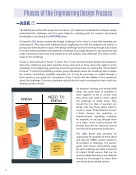
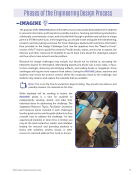
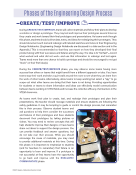
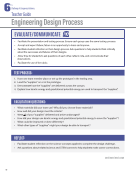
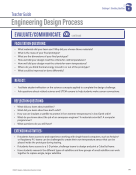
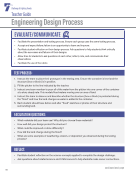
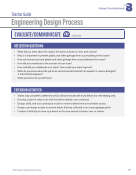
EVALUATE/COMMUNICATE
continued
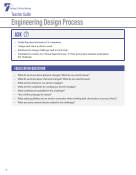
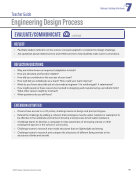
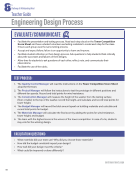
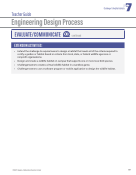
REFLECTION QUESTIONS:
• What did you learn about satellites?
• What did you learn about low-Earth orbit?
• How can
we insulate a satellite to protect it from extreme temperatures in low-Earth orbit?
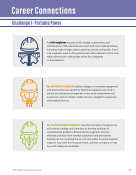
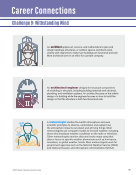
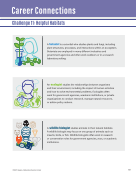
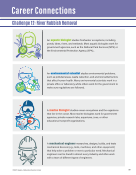
• What do you know ab
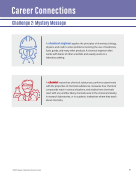
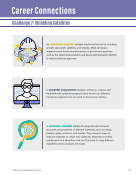
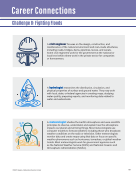
out the job of an aerospace engineer? A materials scientist? A computer
programmer?
• What questions do you still have?
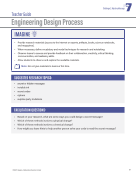
EXTENSION ACTIVITIES:
• If students have access to and experience working with single-board computers, such as Arduino®
or Raspberry Pi®, teams can be challenged to create their own temperature sensor that can be
placed inside the prototype during testing.
• If students have access to a 3-D printer, challenge teams to design and print a CubeSat frame.
• Have students research the different types of satellites and how gr
oups of small satellites can work
together to replace single, larger satellites
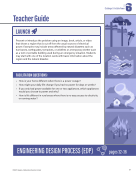
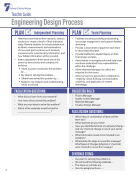
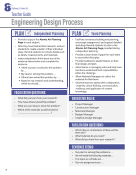
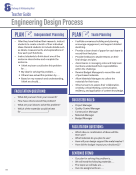
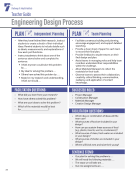
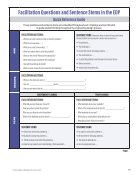
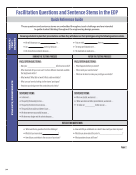
FACILITATION QUESTIONS:
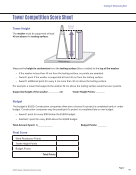
• What materials did your team use? Why did you choose those materials?
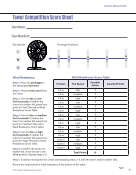
• What is the mass of your final prototype?
• What are the dimensions of your final prototype?
• How w
ell did your design meet the criteria for cold temperatures?
• How w
ell did your design meet the criteria for warm temperatures?
• Where do you think thermal energy moved in or out of the prototype?
• What could be improved or done differently?
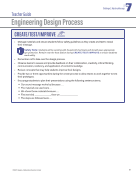
REFLECT:
• Facilitate student reflection on the science concepts applied to complete the design challenge.
• Ask questions about related science and STEM careers to help students make career connections.
460-2058 SDCS G6-8.indb 147460-2058 SDCS G6-8.indb 1477/9/2021 4:50:20 PM7/9/2021 4:50:20 PM