47: Factor V Leiden Disorder
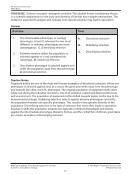
TEKS B.8B
TEKS B.8B
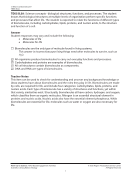
: Science concepts--mechanisms of genetics. The student knows the role of
nucleic acids and the principles of inheritance and variation of traits in Mendelian and non-
Mendelian genetics. The student is expected to predict possible outcomes of various genetic
combinations using monohybrid and dihybrid crosses, including non-Mendelian traits of
incomplete dominance, codominance, sex-linked traits, and multiple alleles.
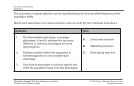
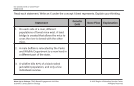
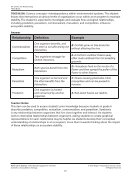
Answer
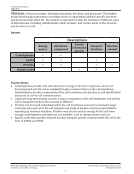
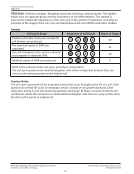
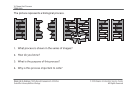
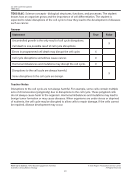
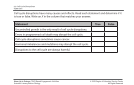
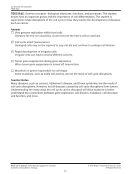
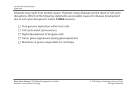
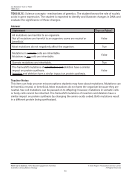
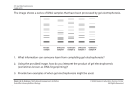
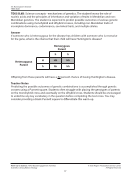
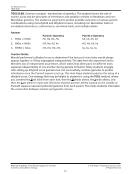
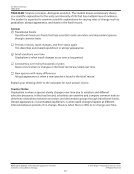
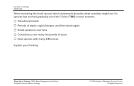
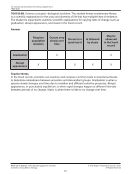
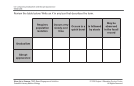
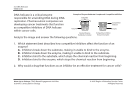
1.
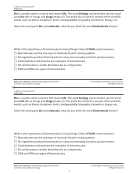
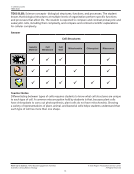
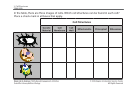
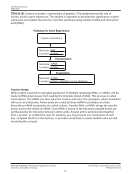
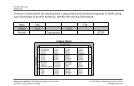
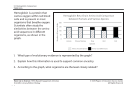
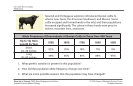
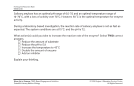
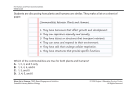
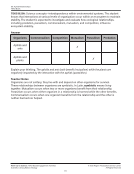
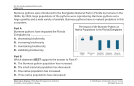
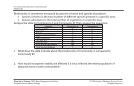
What is the patient’s genotype?
Heterozygous, or Aa (Students may use any letter.)
2.
Is the patient affected by the disorder? Explain your thinking.
Yes, the patient is affected by
the disease because it is an autosomal dominant disorder. This means only one dominant
allele is needed for someone to have the disorder.
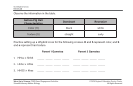
3.
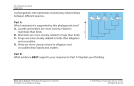
What does the diagnosis tell you about the patient’s parents’ genotypes or phenotypes?
Explain your thinking.
At least one parent must be affected by the disorder. That parent could
be homozygous dominant or heterozygous for the trait.
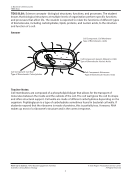
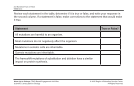
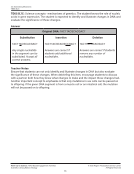
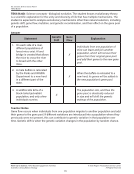
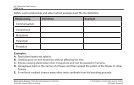
Teacher Notes
Discussing genetics requires highly specialized vocabulary. The key to being able to answer
an item relies on students’ ability to process the meaning of
autosomal dominant
.
Autosomal
refers to non-sex genes or chromosomes, and
dominant
refers to an inheritance pattern that
requires only one version of the allele to express a specific phenotype. Dominant phenotypes
can be expressed as a result of two different genotypes, whereas recessive phenotypes can
only be expressed by a single genotype in autosomal traits. Sex-linked, recessive traits may be
displayed with only one copy of the allele in males.