Product Overview
Warm Up to Science
offers student-centered engagement activities for immediate student
involvement. Scientifically based research supports the use of this form of frequent conceptual
exposure to enhance student understanding.
Activities are designed to require 5–10 minutes of class time and are written with the cognitive
rigor demanded by the Texas Essential Knowledge and Skills (TEKS). Students must use
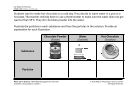
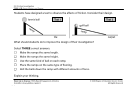
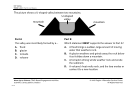
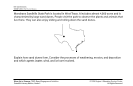
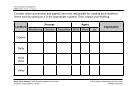
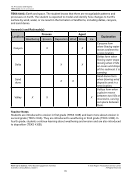
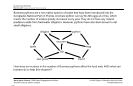
critical thinking skills as they are presented with content-specific activities or with visual
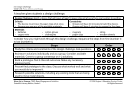
stimuli, including charts, graphs, and tables. Each activity may be used as an engagement for
a new lesson, as a method to enhance retention, and as a means to support State of Texas
Assessment of Academic Readiness (STAAR®) preparation. Activities are grouped by STAAR®
strands and sequenced by specific TEKS and student expectations.
Warm Up to Science
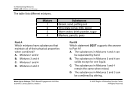
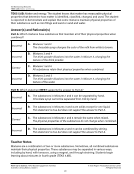
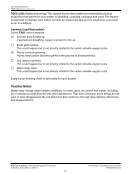
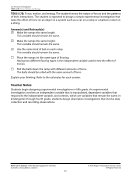
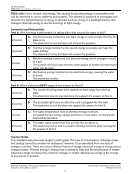
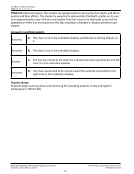
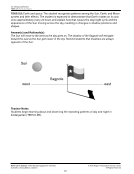
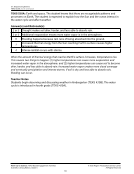
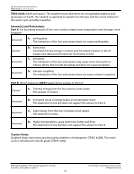
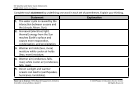
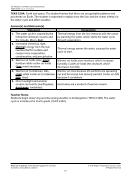
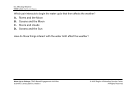
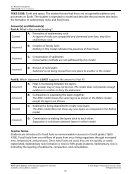
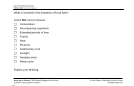
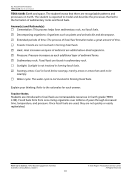
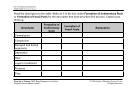
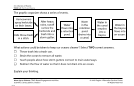
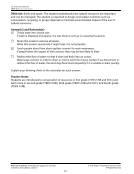
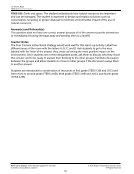
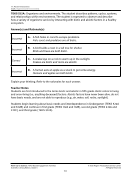
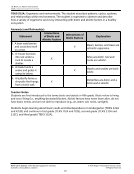
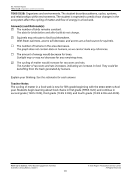
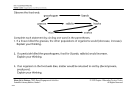
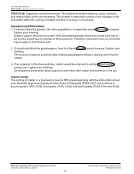
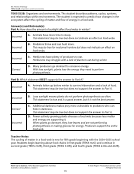
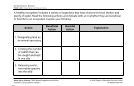
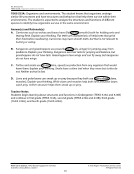
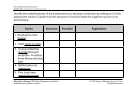
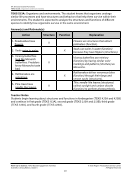
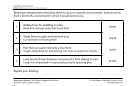
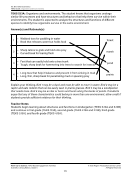
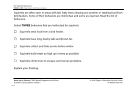
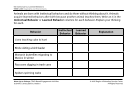
is presented in an odd-even page format. The odd-numbered pages
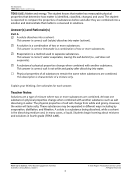
include activity answer keys and supportive teacher notes. The even-numbered pages
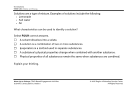
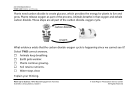
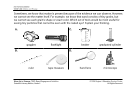
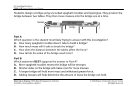
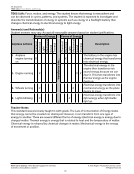
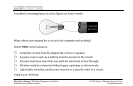
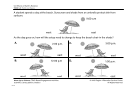
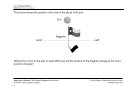
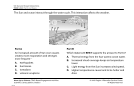
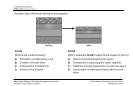
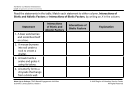
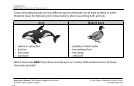
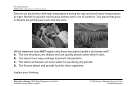
present specific student activities that are easily photocopied. For activities with graphics or
photographs, use a photocopy setting to ensure images are printed correctly.
The digital version of
Warm Up to Science
is presented in the opposite order of the print
version. The student page comes before the teacher page. This design lessens the chances of
students seeing answers first. After students work through the activity, the teacher can easily
advance to the next page for students to self-check their work if desired.
Why Begin Class with a Warm-Up?
Warm Up to Science
incorporates instructional strategies that have been scientifically proven
to enhance student achievement. Some examples of these effective instructional strategies
identified in research focus on the teacher’s ability to set high expectations for students,
activate prior knowledge, provide feedback that reinforces learning, and allow for recognition
of effort. In this type of learning environment, students will have the opportunity to
•
identify similarities and differences,
•
summarize information,
•
practice process and critical thinking skills, and
•
interpret nonlinguistic stimuli.
Warm Up to Science
activities are designed to involve students in critical thinking processes.
The activities focus on items that are content-specific or items with visual stimuli, including
charts, graphs, and tables. Activities are written to be brief and targeted and can be used as
formative assessment tools to gauge students’ comprehension of a concept. The activities
require only 5–10 minutes of class time.